What Should an Invoice Include? Complete Guide for Freelancers (2026)
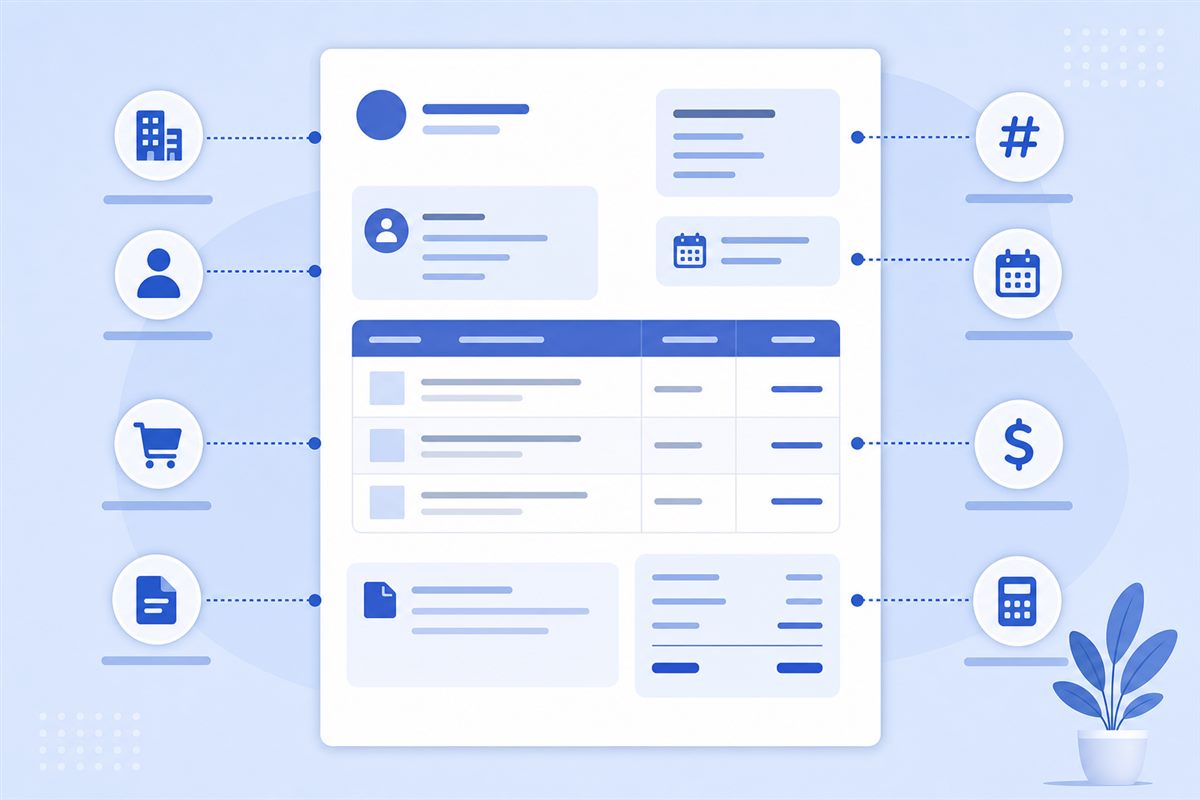
If you've ever stared at a blank invoice wondering "did I forget something?" — you're not alone. Most freelancers, when they first start out, either put too much on their invoices or miss the one thing that actually gets them paid on time.
Here's the thing: a good invoice isn't just a formality. It's the difference between getting paid in 7 days and chasing a client for 3 weeks.
So let's break it down — what actually needs to go on an invoice?
1. Your Name and Contact Details
Sounds obvious, right? But you'd be surprised how many people forget to include their email or phone number. Your client needs to know exactly who sent this and how to reach you if something's unclear. Include your full name (or business name), email address, and ideally a phone number.
2. Your Client's Information
This one matters more than people think. Always include the full name of your client or their company, and their billing address if you have it. For businesses, this is often needed for their own accounting records. Get it wrong and you might face delays.
3. A Unique Invoice Number
Every invoice needs its own number, and using a consistent invoice numbering system makes tracking much easier. This helps both you and your client track payments and refer back to specific invoices later. You can keep it simple — INV-001, INV-002, and so on. Whatever system you use, just stay consistent.
4. Invoice Date and Payment Due Date
The invoice date tells your client when you sent it. The payment due date tells them when they need to pay. These are two different things, and both matter. A lot of freelancers only put one — don't make that mistake. Common payment terms are Net 15 (15 days) or Net 30 (30 days), and this guide on how to write payment terms helps you choose the right one.
5. A Clear Description of Work Done
Be specific here. "Design work - March" tells your client nothing. "Logo design for ABC Company website — 3 rounds of revisions included" tells them everything. The more specific your description, the fewer questions you'll get — and the faster you'll get paid.
6. The Amount — Broken Down
List each service or product as a separate line item with its own price. Then show the subtotal, any taxes, discounts, and the final total. Don't make your client do math. Make it crystal clear what they owe and why.
7. Payment Method Instructions
This is the one most people skip and then wonder why payment is late. Tell your client exactly how to pay you. Bank transfer? Give them your account details. PayPal? Include your PayPal email. The easier you make it, the faster you get paid.
8. A Short Thank You Note (Optional but Smart)
Adding a simple "Thank you for your business" at the bottom sounds small, but it leaves a good impression. Clients notice these things. It makes your invoice feel less like a demand and more like a professional exchange.
The good news? If you're using Unique Invoice Generator, all of these fields are already built into the template. You just fill in the blanks and download your PDF — no signup required, no watermarks.
Getting your invoices right from the start sets the tone for how clients treat your payments, especially when you send your invoice by email professionally. Take it seriously, and they will too. Pakistani freelancers should also review FBR invoice format and a free invoice template for freelancers in Pakistan. Avoid the 7 common invoice mistakes, use the invoicing guide for self-employed freelancers, compare a free invoice generator vs paid software, and know when a proforma invoice is the right first document.
Frequently Asked Questions
What must every freelancer invoice include?
At minimum include your name and contact details, the client's billing information, a unique invoice number, invoice date and payment due date, a clear description of work, itemized amounts, and payment method instructions. Those fields make the invoice actionable for the client and usable for your own records.
Do I need both an invoice date and a due date?
Yes. The invoice date shows when you issued the bill, while the due date shows when payment is expected. Many freelancers only include one and then struggle to enforce deadlines. Common terms like Net 15 or Net 30 should translate into an actual calendar due date on the invoice.
How detailed should service descriptions be?
Be specific enough that a finance person who did not hire you can approve the bill. Vague lines like "consulting" invite questions and delays. Include project names, deliverables, hours, or rates as relevant so the amount is easy to verify against the agreement.
Should payment instructions be on the invoice itself?
Yes. List how to pay — bank transfer details, payment link, or platform instructions — directly on the invoice. Asking clients to dig through old emails for payment info causes avoidable delays. Clear instructions are one of the simplest ways to get paid faster.
Is a thank-you note useful on an invoice?
A short thank-you line is optional but smart. It keeps the tone professional and relationship-friendly without replacing the business details. The essentials still come first: identity fields, numbering, dates, line items, totals, and payment instructions.