What Is a Proforma Invoice? When and How to Use One
If a client has ever asked you for a 'proforma' and you quietly Googled what that meant — you're not alone. It's one of those invoicing terms that sounds more complicated than it actually is.
Here's everything you need to know.
What Is a Proforma Invoice?
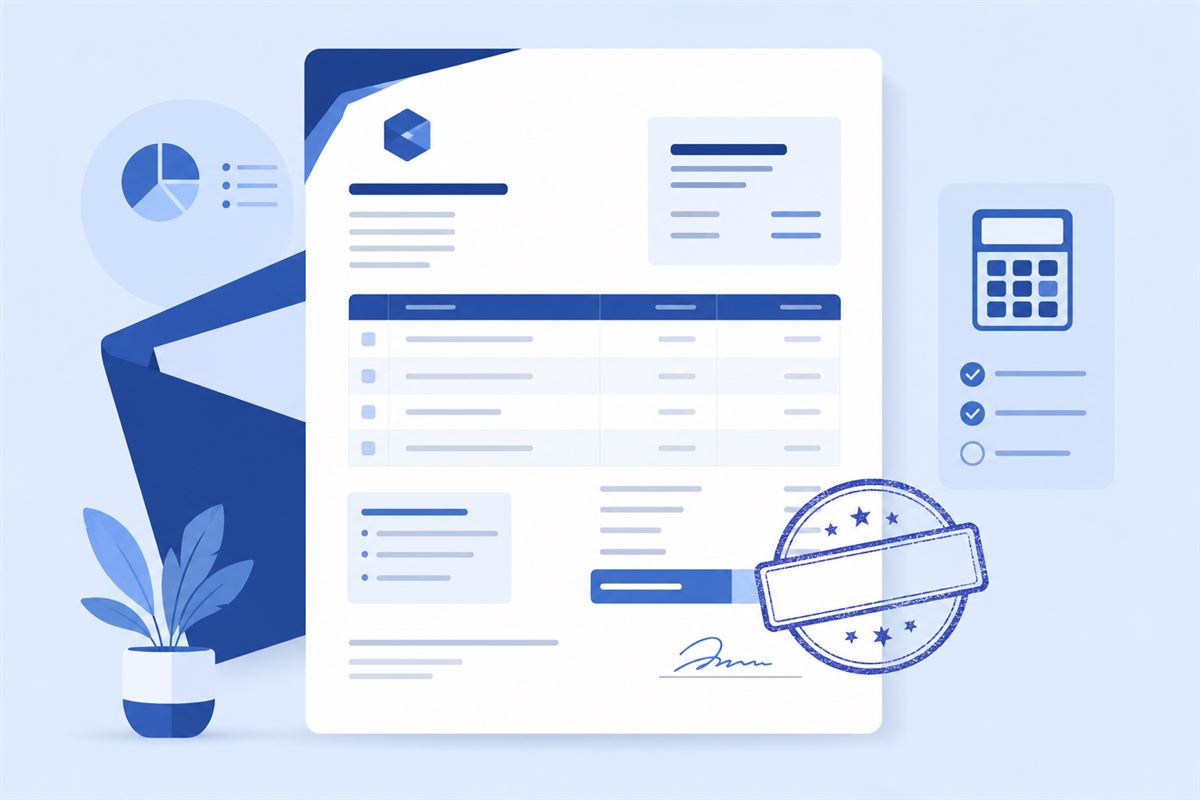
A proforma invoice is different from a receipt and is essentially a preliminary invoice — a document you send to a client before the work is done or the goods are shipped. It outlines what the final invoice will look like: what's being provided, the estimated cost, payment terms, and other details.
The key word is 'estimated.' A proforma is not a final demand for payment. It's more like a formal preview — a way of saying 'here's what this will cost, please confirm before we proceed.'
How Is It Different from a Regular Invoice?
- Regular Invoice: Sent after work is complete. A legally binding request for payment.
- Proforma Invoice: Sent before work begins or goods are delivered. Not legally binding. Used for agreement and planning purposes.
- Quote/Estimate: Similar to a proforma but usually less formal. A proforma often looks more like a real invoice.
When Should You Send a Proforma Invoice?
- When working with international clients who need customs documentation, including how to invoice international clients from Pakistan
- When a client's company requires budget approval before committing to a project
- For large projects where the client wants to confirm scope and pricing before work starts
- When a client asks for one specifically (procurement departments often require them)
What Should a Proforma Invoice Include?
A proforma invoice should include the same information as a regular invoice — your details, the client's details, a description of work, estimated costs, payment terms, and a due date. The main difference is labeling it clearly as 'Proforma Invoice' at the top, so no one confuses it for a final bill.
Do You Still Need to Send a Final Invoice?
Yes, always. A proforma is not a substitute for a real invoice, and you can review invoice vs receipt differences to keep records accurate. Once the work is done and the final amount is confirmed, send a proper invoice that follows all required invoice elements with the exact amount due. Some clients will have already paid based on the proforma — in that case, your final invoice should show the amount received and any remaining balance.
Think of a proforma as a handshake before the deal. It sets expectations, builds trust, and gets everyone on the same page before a single hour of work begins. When the work is confirmed, create a professional invoice online as the final bill.
Frequently Asked Questions
What is a proforma invoice?
A proforma invoice is an estimated bill issued before the final commercial invoice. It shows what the goods or services are expected to cost so the client can confirm, arrange payment, or clear customs. The key word is estimated — it is a formal preview, not the final demand for payment.
How is a proforma invoice different from a regular invoice?
A regular invoice requests payment for work already delivered or goods supplied and creates a receivable. A proforma is preliminary and usually marked as proforma so it is not treated as the final tax or accounting invoice. After confirmation or delivery, you still issue a final invoice.
When should freelancers send a proforma invoice?
Send a proforma when a client needs cost confirmation before approving a project, when advance payment is required, or when international buyers need documentation before shipping or kickoff. It reduces misunderstandings about scope and price before you commit resources.
What should a proforma invoice include?
Include seller and buyer details, a clear proforma label, estimated line items, currency and totals, validity period if relevant, and payment or next-step instructions. Keep descriptions accurate so the final invoice can match what was agreed on the proforma.
Do I still need to send a final invoice after a proforma?
Yes. The proforma does not replace the final invoice. Once work is done or the sale is confirmed, issue a regular invoice with a unique number, final amounts, dates, and tax details as required. That final document is what belongs in your sales and tax records.