Client Not Paying Your Invoice? Here's What to Do Step by Step
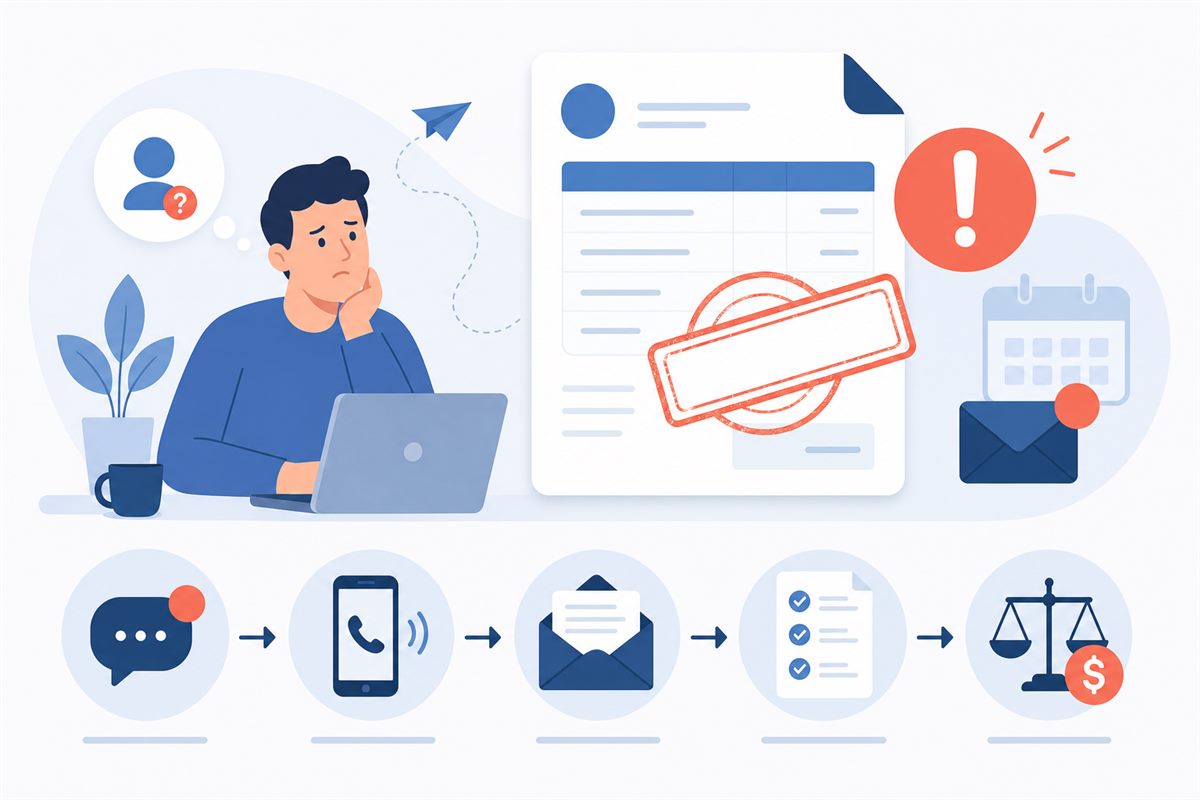
It happens to almost every freelancer eventually: you did the work, sent the invoice, followed up twice — and still no payment. What now? Keep your paperwork clear using this invoice vs receipt guide so you can show what was billed versus what was paid.
Here's a practical roadmap for handling non-payment, from gentle nudges to harder options.
Step 1: Rule Out the Simple Explanations
Before assuming the worst, check the basics. Did the invoice go to the right email address? Is it sitting in their spam folder? Did they change their accounts contact? Send a short email asking if they received the invoice — these invoice email tips help you confirm delivery. You'd be surprised how often 'non-payment' turns out to be 'wrong email address.'
Step 2: Send a Formal Overdue Notice
If the invoice is genuinely overdue and you've followed up informally, send a more formal notice using a clear unpaid invoice follow-up process, then ensure future invoices include strong payment terms. Reference the invoice number, the amount, the original due date, and the number of days overdue. Keep the tone professional but firm. State that you expect payment within 7 days.
Step 3: Add Late Payment Interest
In many countries, you're legally entitled to charge interest on late payments. Check your local regulations — in the UK, for example, the Late Payment of Commercial Debts Act allows you to charge 8% above the base rate. Adding this to your overdue notice often motivates prompt payment.
Step 4: Stop Any Ongoing Work
If you're mid-project and payment for a previous invoice hasn't arrived, pause. You're not obligated to continue providing services when you haven't been paid for work already done. Communicate this professionally: 'I'll be happy to continue once the outstanding invoice is settled.'
Step 5: Consider a Collections Agency or Small Claims Court
For persistent non-payment, you have legal options. A collections agency will chase the debt for a percentage of what's recovered. Small claims court is an option for smaller amounts and is often more straightforward than people expect — no lawyer required in many jurisdictions.
Step 6: Learn From It
Once it's resolved (or even if it isn't), review what happened. Could you have screened this client better? Would an upfront deposit have protected you? Clear payment terms and a deposit requirement for new clients eliminate most non-payment scenarios before they start. Also fix any invoice mistakes that may have delayed approval.
- Always get 30-50% upfront for new clients
- Have clear payment terms in writing before starting work
- Never deliver final files before payment on larger projects
Non-payment is frustrating, but it's manageable. The freelancers who handle it best are the ones who have systems in place before it happens — not after.
Frequently Asked Questions
What should I check first if a client is not paying?
Rule out simple explanations before escalating. Confirm the invoice reached the right person, the amount and bank details are correct, and there is no genuine dispute about deliverables. Many "non-payments" are lost emails, wrong PO numbers, or invoices waiting in accounts payable.
How do I send a formal overdue notice?
Send a clear written notice that references the invoice number, original due date, amount owed, and a new payment deadline. Reattach the invoice and payment instructions. Keep the tone professional and factual — a formal notice creates a paper trail if you need stronger steps later.
Should I stop work if an invoice is unpaid?
If ongoing work depends on timely payment and your agreement allows it, pausing new work after clear notice is a reasonable step. Continuing to deliver without payment increases your risk. Communicate the pause in writing and tie restarting work to cleared invoices.
When should I consider collections or small claims court?
Consider collections or small claims after polite reminders, a formal overdue notice, and a final deadline have failed — and the amount justifies the cost and time. Document every invoice and follow-up first. Legal or collections routes are last resorts, not the first email you send.
How can I prevent unpaid invoices in the future?
Use clear payment terms, deposits for larger projects, prompt invoicing, and consistent follow-ups. Verify billing contacts before you start. Learning from each late payment — why it stalled and what paperwork was missing — improves your process for the next client.